<img src="https://secure.tool3sign.com/182543.png" style="display:none;">
Analytical boards for predictive maintenance

Predictive Maintenance

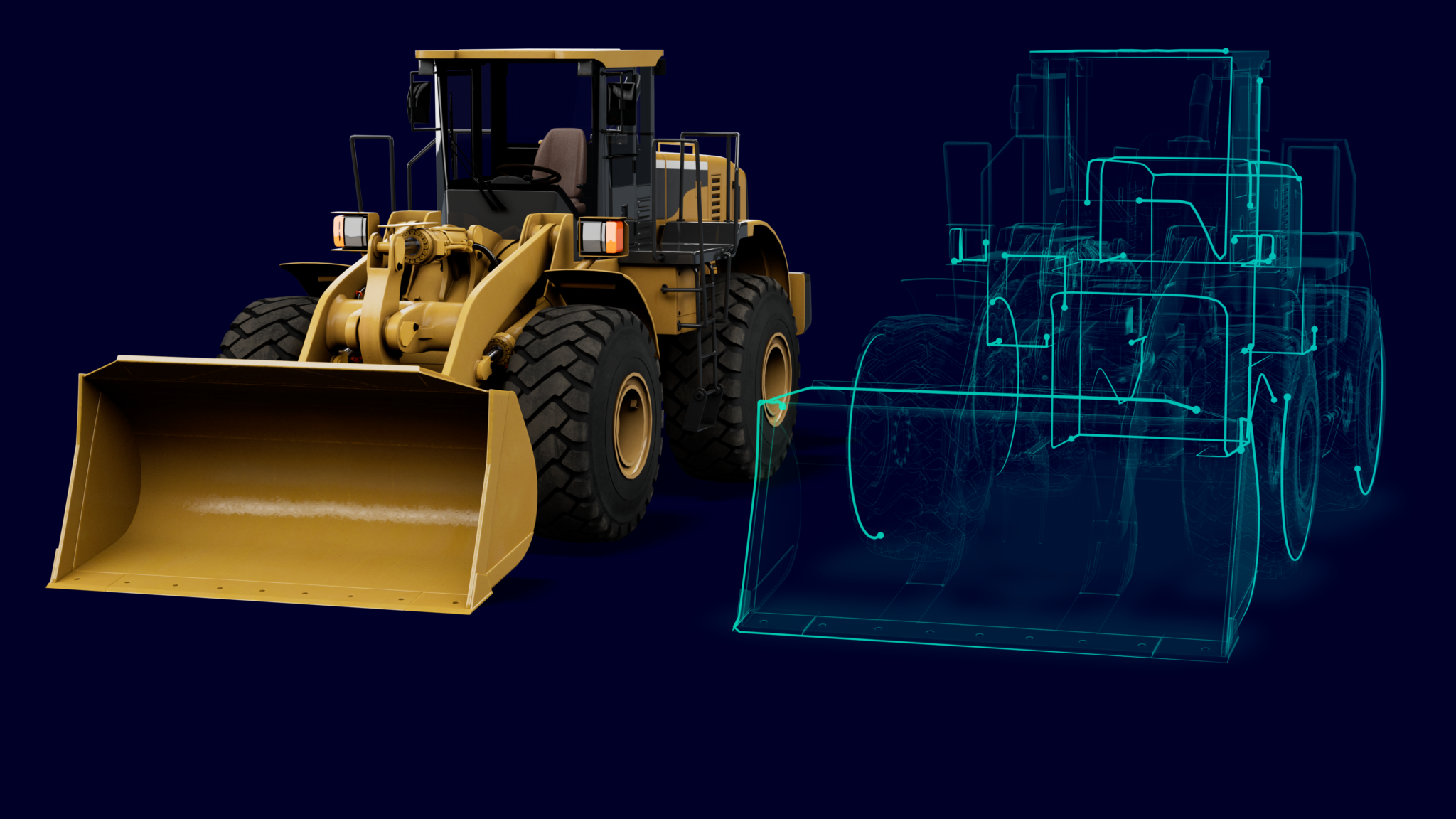
Predictive Maintenance (PdM) helps your organisation prevent breakdowns before they occur. By deploying data analysis and smart algorithms, you can predict precisely when machines require maintenance, allowing you to intervene before anything goes wrong.

This way, you avoid unexpected downtime, reduce maintenance costs and increase the availability of your installations. You get more out of your machines, improve your OEE (Overall Equipment Effectiveness) and turn maintenance into a smart, strategic move.

Collaborations that drive innovation

Aesseal-Logo-White
BAE-Systems-Logo-White
Saint-Gobain-Logo-White.svg
Predictive maintenance in action

What is Predictive Maintenance?

Predictive Maintenance (PdM), revolves around smart and targeted intervention before a machine breaks down. Rather than adhering to fixed maintenance schedules or reacting to faults, you use technology to identify problems early and take proactive action.

It starts with sensors that continuously collect crucial data from your machines, such as temperature, vibrations, sound or pressure. This data is analysed by algorithms and AI capable of recognising patterns and predicting risks. A small deviation in a machine's vibration, invisible to humans, can already trigger a timely warning. This allows you to intervene precisely before damage or downtime occurs.

20250618_1553_Machine Status Dashboard_remix_01jy1myevqf978gp21fwnvjzzj

Why PdM Matters Now

Manufacturing companies operate in a challenging environment. Raw material prices are volatile, qualified technical personnel are scarce, and customers place ever-higher demands on delivery times and reliability. Every minute of downtime can lead to missed deadlines and lost revenue.

Although many organisations already possess valuable machine and sensor data, it remains underutilised. And that is precisely where enormous opportunities lie. With the right tools and approach, you can transform data streams into actionable insights and measurable performance. In this market, Predictive Maintenance is no longer a luxury but a strategic prerequisite for lasting competitive advantage.

Data being gathered from a sensor

Which Technologies Enable PdM?

Predictive Maintenance is underpinned by an interplay of modern technologies, each fulfilling its own role in making maintenance smarter. Sensors, connected via IIoT, continuously collect data on the condition of machines. Think of vibrations, temperature, sound and other indicators that provide insight into wear or anomalies.

That data does not sit idle. Thanks to edge computing, information is processed on-site, enabling analyses to take place in real time. This allows immediate action when an anomaly is detected without delay or data loss.

Machine learning adds an extra layer of intelligence. Based on historical and current data, the system learns to recognise patterns that precede failures. This produces accurate predictions that time maintenance actions precisely. Cloud platforms ultimately ensure all data is stored securely, centrally accessible and easily scalable.

Together, these technologies make it possible to transform maintenance from a reactive process into a strategically driven component of your business operations.

Benefits of Predictive Maintenance

For many organisations, smarter maintenance offers immediate opportunities. Those who switch from reactive to predictive maintenance quickly notice structural improvements both on the shop floor and in financial results. The impact of Predictive Maintenance extends beyond technology: it touches the heart of your business operations.

Lower Maintenance Costs

Traditional maintenance often leads to unnecessary inspections, superfluous replacements and expensive ad-hoc interventions. With Predictive Maintenance, you deploy your resources in a targeted manner precisely where needed. You work more efficiently, waste less and structurally reduce your maintenance expenditure.

Less Unplanned Downtime

Unexpected breakdowns bring production processes to an abrupt halt. By detecting anomalies in good time, you anticipate defects before they occur. This increases operational calm, improves delivery reliability and minimises failure costs.

More Reliable and Sustainable Assets

Machines that receive attention at the right moment continue to perform better and demonstrably last longer. This not only increases the reliability of your installations but also postpones major investments in replacements.

Digital Teamwork Interface

Predictive Maintenance vs. Preventive Maintenance

Many companies still rely on preventive maintenance, whereby parts are replaced as standard after a certain number of operating hours or at fixed intervals. Although this approach provides oversight, it is often inefficient. Parts are replaced whilst still functioning perfectly, or too late, resulting in unexpected downtime nonetheless.

The difference between preventive and predictive maintenance lies in the approach. Preventive maintenance is based on time or usage. You intervene before you expect problems, but without knowing precisely whether it is necessary. Predictive maintenance, by contrast, works based on the actual condition of machines. By using sensors and data analysis, you see exactly when a component truly needs replacing. You prevent unexpected breakdowns whilst avoiding unnecessary costs.

For organisations wishing to go a step further, there is also prescriptive maintenance. This is a more advanced form whereby the system not only predicts when maintenance is needed but also provides recommendations on the best course of action fully based on real-time data and smart algorithms.

Manufacturing Execution System (MES)

Accelerate your digital transformation in the factory and bridge the gap between planning and production with MES software.

Overall Equipment Effectiveness (OEE)

Maximise your asset performance and reduce unplanned stops by continuously measuring and optimising OEE.

Lean Manufacturing

Streamline processes, reduce lead times and increase customer value with a data-driven Lean approach.

FAQ

What is Predictive Maintenace?

Predictive Maintenance is a maintenance strategy whereby you use data and smart technology to prevent breakdowns before they occur. By analysing real-time data from machines, you know precisely when a component requires maintenance. This way, you prevent unnecessary downtime, extend the lifespan of your machines and reduce your maintenance costs.

What Are the 4 Types of Maintenance?

Within the maintenance domain, four levels are distinguished. Each level reflects a different degree of control, efficiency and maturity.

Corrective maintenance is the most basic form: you only intervene when something actually breaks. Although straightforward, this often leads to unplanned downtime, production loss and higher costs. Preventive maintenance attempts to prevent this by replacing parts at fixed intervals regardless of their actual condition. This reduces risks but also means you frequently intervene too early or unnecessarily.

Condition-based maintenance brings more refinement. Here, the state of equipment is regularly monitored, so maintenance takes place based on actual condition. However, this still largely depends on manual measurements and interpretation.

Predictive Maintenance represents the most advanced stage. Based on continuous data collection and smart algorithms, the optimal moment for maintenance is automatically predicted. You intervene before a failure occurs, but only when it is truly necessary.

What Is the Difference Between Predictive and Preventive Maintenance?

Preventive maintenance involves replacing parts or performing maintenance at fixed intervals for example, every six months or after a certain number of operating hours. This prevents breakdowns, but you intervene without knowing whether it is truly necessary. This often leads to unnecessary costs or, conversely, unexpected failure if you act too late.

Predictive maintenance is smarter. You maintain based on real-time data about the condition of your machines. Sensors and algorithms detect wear or anomalies well in advance. This way, you know precisely when a component truly needs replacing. You prevent downtime, reduce costs and make maintenance more efficient and strategic.

digital-transformation-3-2048x1152

Discover how Emixa can transform your business

What is Predictive Maintenace?

Predictive Maintenance is a maintenance strategy whereby you use data and smart technology to prevent breakdowns before they occur. By analysing real-time data from machines, you know precisely when a component requires maintenance. This way, you prevent unnecessary downtime, extend the lifespan of your machines and reduce your maintenance costs.

What Are the 4 Types of Maintenance?

Binnen het onderhoudsdomein worden vier niveaus onderscheiden. Elk niveau weerspiegelt een andere mate van controle, efficiëntie en volwassenheid.

Correctief onderhoud is de meest basale vorm: je grijpt pas in wanneer er daadwerkelijk iets stukgaat. Hoewel dit eenvoudig is, leidt het vaak tot ongeplande stilstand, productieverlies en hogere kosten. Preventief onderhoud probeert dat te voorkomen door op vaste momenten onderdelen te vervangen ongeacht hun actuele toestand. Dat verlaagt de risico’s, maar betekent ook dat je regelmatig te vroeg of onnodig ingrijpt.

Conditioneel onderhoud brengt al meer verfijning. Hierbij wordt de staat van apparatuur regelmatig gemonitord, zodat onderhoud plaatsvindt op basis van de actuele conditie. Toch blijft dit grotendeels afhankelijk van handmatige metingen en interpretatie.

Predictive Maintenance vormt het meest geavanceerde stadium. Op basis van continue dataverzameling en slimme algoritmes wordt het optimale moment voor onderhoud automatisch voorspeld. Je grijpt in voordat een storing optreedt, maar pas wanneer het écht nodig is.

What Is the Difference Between Predictive and Preventive Maintenance?

Preventive maintenance involves replacing parts or performing maintenance at fixed intervals—for example, every six months or after a certain number of operating hours. This prevents breakdowns, but you intervene without knowing whether it is truly necessary. This often leads to unnecessary costs or, conversely, unexpected failure if you act too late.

Predictive maintenance is smarter. You maintain based on real-time data about the condition of your machines. Sensors and algorithms detect wear or anomalies well in advance. This way, you know precisely when a component truly needs replacing. You prevent downtime, reduce costs and make maintenance more efficient and strategic.

Start your journey today. Work with insight.