/Planet-Dryers-Logo-White.png?width=229&height=160&name=Planet-Dryers-Logo-White.png)
How Planet Dryers Revolutionized Food Processing with Solid Edge
Industrial Machinery
-
Utilize legacy design data
-
Illustrate machines measuring up to 40 meters
-
Bid for larger projects
-
15 percent off design time
-
15 percent cut in design costs
-
Synchronous technology enables quick design changes
Solid Edge

How Planet Dryers Revolutionized Food Processing with Solid Edge
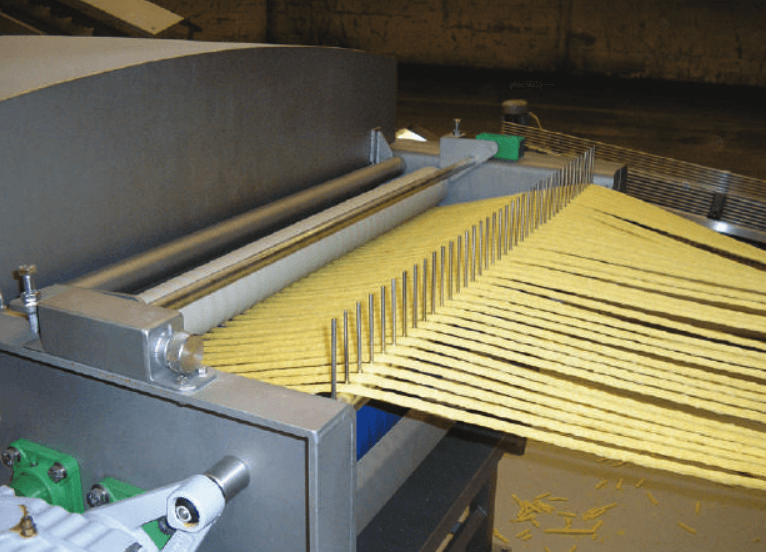
The removal of humidity is a key stage in the production of foods such as breakfast cereals and savoury snacks. Without an effective drying process, there would be no satisfying crunch. In addition, food with moisture left in it will have a shorter shelf life – crisp breads, pasta and pet treats must be stable. To ensure that food items dry out evenly to the correct level, there has to be complete control of warm airflow.
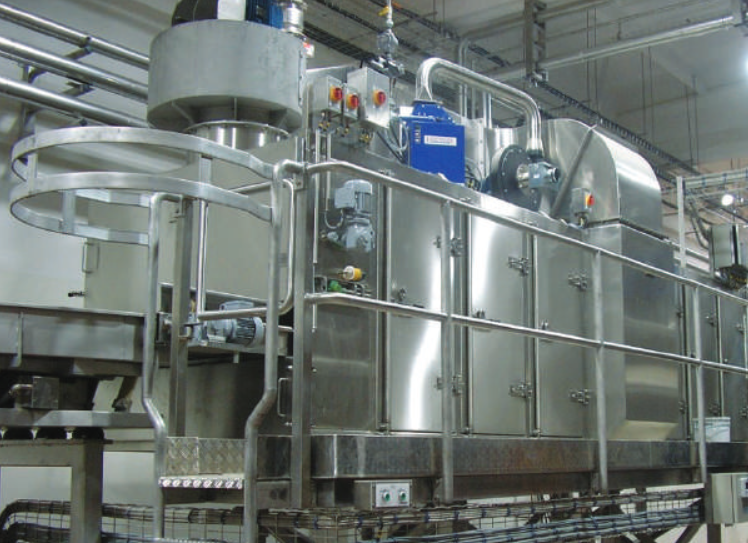
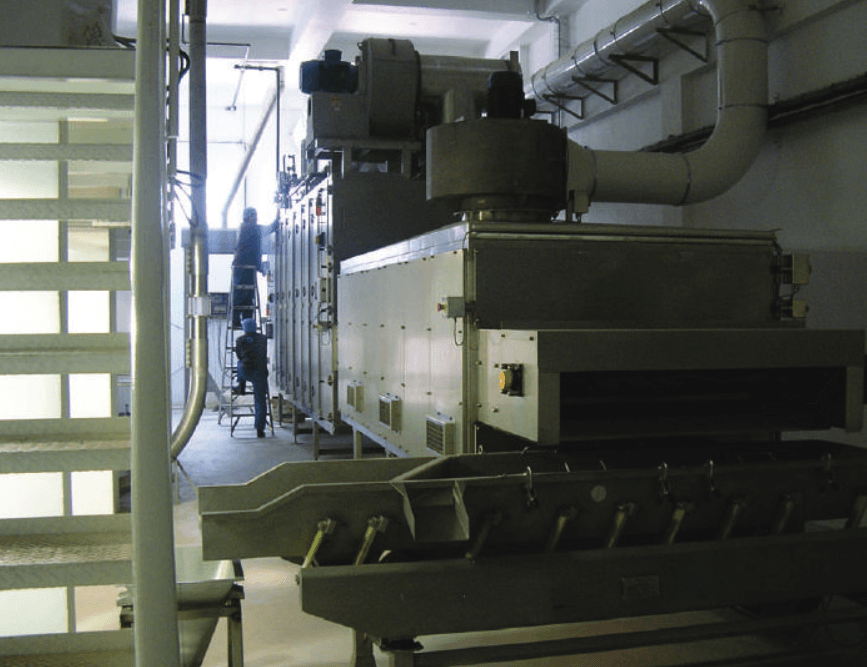
Planet Dryers specializes in this area, designing customized drying, cooling, roasting and cutting machines that are used by large well-known companies producing globally familiar brands. The largest unit is more than 40 meters long, with even the smallest models measuring at least six meters. The company offers a range of airflow systems with single-pass, multi-pass and multi-stage conveyor band dryers, and conveyor drives of variable speed.
Business Challenges
Hygiene is, of course, critical. Machines from Planet Dryers are constructed in stainless steel, with a range of product spreading options and the ability to handle flavoring and coating. As such processes can result in a sticky residue, it is essential that machines can be thoroughly cleaned.
Each machine is designed as a framework covered by sheet metal, which has to be shaped at various junction points and cut out where parts such as gas burners are bolted on.
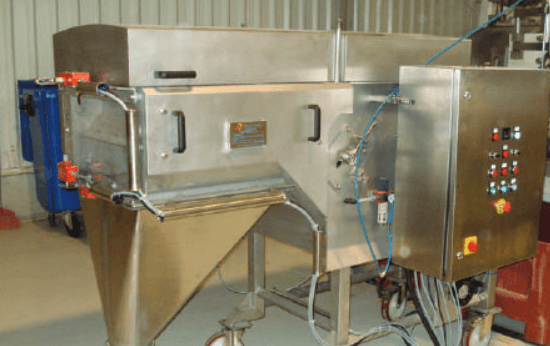
“Our products are essentially conveyor belts with warm air blowing through them and one of the critical challenges is containment of the product,” explains John Cresswell, engineering manager at Planet Dryers. “We have to manipulate sheet metal to create effective side guards and transfer chutes.” It was this specific design requirement that led Planet Dryers to adopt Solid Edge® software from product lifecycle management specialist Siemens PLM Software.
Keys to Success
“The flexibility that synchronous technology provides is astonishing. It enables me to accept files from any format, transfer data and amend a design without any reference to its history. It gives intelligence to a dumb shape, allowing me to change or remove attributes. I can, for example, see a circle, identify it as a hole and recognize the size and thickness so I can quickly amend a sheet metal pattern.”
Collins particularly appreciates the choice that Solid Edge offers. “If I know a product is always going to be similar in shape, then I use the ordered approach because we can control aspects of the design very clearly by making assumptions, automating processes and locking in definitions. On the other hand, synchronous technology is like working with clay, it allows more freedom during the actual design process. For example, after I’d designed a particular discharge chute, our process engineer advised me to taper the sides. This would have taken two hours in the ordered environment. With synchronous technology, it took one minute.”
Results
A typical lead-time is 16 weeks from order to delivery, with design time accounting for half of that. “I estimate that for each new machine, we’ve taken 15 percent off the design cycle, that’s six business days,” comments Cresswell. “The time and resources this frees up allows us to work to a higher level of detail, checking and optimizing to produce a more complete design and a more competitive product. In addition, we can confidently give our customers accurate lead times. We can also rationalize parts, make cutting simpler for our fabricator and minimizing our costs.”




.svg)


