.png?width=229&height=160&name=logo-hbm%20(1).png)
HBM Machines

Manufacturing
• Growing IT systems with explosive business growth
• Inadequate interfaces and communication between systems
• Parallel implementation of new systems and processes
• Improved operational excellence and error reduction
• More efficient data analysis and problem-solving
• Seamless processes for large data and order volumes
Boomi

Case | HBM Machines Waddinxveen | Operational excellence
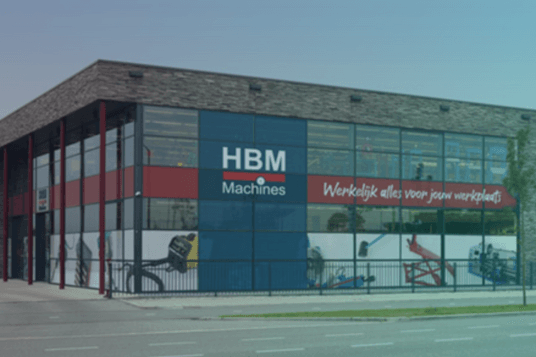
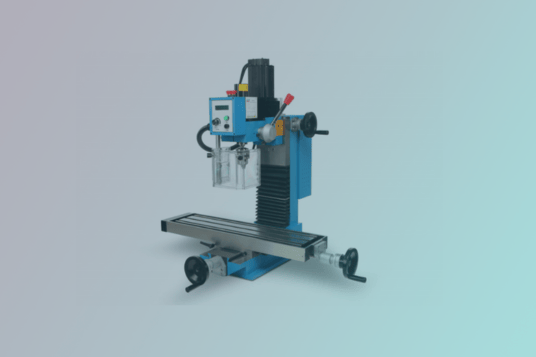
HBM Machines is a supplier of machines, hand tools and technical accessories. The company focuses on a wide range of professional fields and applications. Think of metalworking, woodworking, sheet metalworking, garage equipment and automotive articles, for example. Many items are also under their own brand. "Truly everything for your workplace" is therefore HBM's slogan.
The company was founded in 1972 by Herman Buitelaar Sr. and has undergone steady growth since those early days. As of 2022, HBM Machines has a 1,400 square metre showroom and multiple warehouses covering a total area of 40,000 square metres. In 2006, HBM Machines also opened its own web shop, whilst the dealer network now consists of a large number of European partners. Reflecting a sincere push for international growth, the company also has a Belgian, German and French site. HBM Machines' strategy and goals revolve around three key pillars: international expansion, expanding the product range, and strengthening marketing efforts.
Due to the strong growth in recent years, HBM Machines' IT systems gradually outgrew themselves. To achieve an automated digital workflow that can handle the current volumes of thousands of orders per day, HBM Machines built a new interface layer based on Boomi together with Emixa.
Business challenges
HBM Machines is a real family business at heart. The sons of founder Herman Buitelaar Sr. also joined the company in 2002. In terms of business acumen and product expertise, the family has provided the company with an enormously strong foundation. However, because HBM Machines has been growing by 10 to 40 per cent annually for quite some time, at some point the existing IT systems could barely keep up with the explosive growth in the amount of data and orders.
The cash register system, which over the years has been expanded into an almost complete ERP system, outgrew itself. There were (too) few interfaces, causing applications and systems not to communicate optimally with each other. At the same time, volumes increased by a factor of 5 or 6, turning small cracks into larger fractures. Due to the combination of higher volumes and inadequate IT systems, HBM Machines was in danger of becoming the victim of its own success.
Another challenge is that HBM is implementing multiple new systems in parallel: a new ERP, a new WMS and a new POS system. In addition, the company has also built a new warehouse in Waddinxveen.
New management team and improvement objectives
In 2019, the Buitelaar family decided to sell the company but remain mainly active on the purchasing side. A new management took over and spent the past one and a half years building a new management team.
Since then, the team has been working hard on a revision and modernisation of the IT landscape. The main objectives are:
Modern, scalable and integrated systems that enable HBM's growth
Creating a major automated flow for all key business processes. This includes managing orders, streamlining HR policy and improving administrative processes.
Enabling applications and systems to communicate better and more easily with each other.
Keys to success
To achieve the above objectives, HBM Machines has started implementing a new ERP system in 3 phases: finance and purchasing in 2021 and sales in 2022. HBM Machines is also replacing the WMS automation in the warehouse. As a result, HBM Machines needed a good integration interface that it could place on top of existing and new systems as an additional layer. From a "best-of-breed vision" (selecting the best solutions from the offerings of multiple vendors), an interface layer is indispensable for enabling all systems to communicate well with each other. This is how the company eventually ended up with Boomi. This platform offers the ability to connect almost any conceivable service or application.
Following advice from the ERP project support, HBM Machines partnered with Emixa, specialists in Boomi integration. Together, Emixa and HBM developed an integration layer that ensures that data management and communication between different systems increasingly operate like a well-oiled machine. Boomi was therefore one of the determining factors when taking the first steps towards a more scalable and robust IT environment. Emixa also trained HBM's team in Boomi. They are now able to handle many of their integration issues themselves.
Results
"You can really tell that 'operational excellence' has improved," Detlef notes. "Errors happen less often, and if something goes wrong, it's easy to find and fix. Setting up the software correctly saves a lot of time and money. In the end, the goal is to have processes that work smoothly, handling large amounts of data and orders without any problems."

Efficient system integration at HBM Machines
"What I really like about Emixa is that there is a real methodology behind the software. For example, you use an RM methodology for training and certifying employees. In addition, Emixa works with clear protocols and logical process steps. It really helps if you have an implementation partner that lets you work according to a fixed framework of building, testing and documenting. Our rapidly growing organisation needs that."
Detlef de Vries,CFO of HBM Machines






.svg)


