<img src="https://secure.tool3sign.com/182543.png" style="display:none;">

Sound familiar?
You're not alone.

Sound familiar? You're not alone.

21%

Capacity lost to channel drift

36%

Struggle to meet requirements

2-3 days

Miss launch deadlines

⊣ Customers that Change ⊢

COX-Marine-Logo-White
BAM-Logo-White
Saint-Gobain-Logo-White.svg
VolkerWessels-Logo-White
VORM-Logo-White

Monday morning doesn't wait

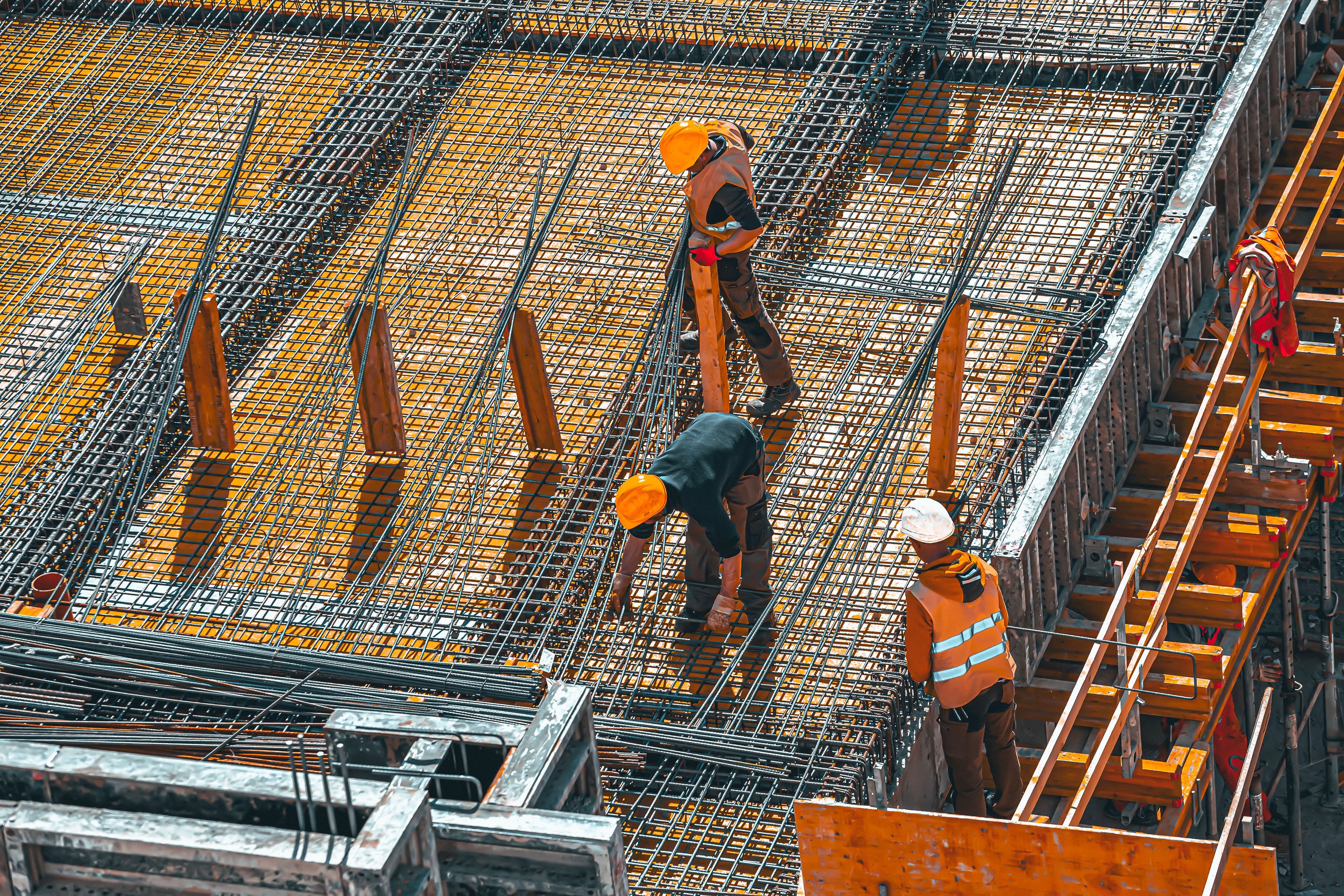
The construction site can’t afford to come to a standstill. But external factors add pressure. The housing shortage demands that we build more and faster than traditional building can deliver. Skilled labour remains scarce, and regulatory and sustainability pressures keep rising. Customers demand more, and projects are more complex than ever.  All while the project schedule must hold.


Moving towards prefab and industrial building can address many of construction and infrastructure’s most pressing challenges by reducing manpower and costs, and enabling scale-up. But that requires a new, digital way of working.

Construction-2

Creating a connected construction thread

Most construction projects still run on paper logs, spreadsheets, and knowledge that lives with the people rather than in any system. A design change in the office takes days to reach the construction site, if it reaches it at all. The failure isn’t at the design desk or on the building site. It’s in the handoff between them. This issue doesn’t stop within your own walls. Every project runs on a chain that starts with customers, architects, and permitting authorities setting the brief and constraints, then moves through suppliers, subcontractors, and the construction site. One broken link and the whole project pays.


These hand-off issues show up no matter where you are in your digital journey: from traditional builders to organisations building prefab. Each company faces different challenges in keeping information flowing seamlessly from design to delivery, and we know where they tend to appear. We know where information gets lost and where hand-offs fail. Our four maturity levels describe where you sit on the curve. 

Customer-World-5-1

Where are you? Where do you want to be?

1. Traditional
Disconnected and manual

Project and asset data live in disconnected drawings, PDFs, and spreadsheets, or sit in BIM and ERP systems that operate in isolation. People, not systems, hold site knowledge, and handovers between design, construction, and operations remain manual. 

2. Modular
Modular but non-digitised

Components are designed in the office, manufactured off-site, and assembled on the building site. But the systems behind it still haven’t caught up. The BIM model, the component register, and site planning still run separately, so a design change can take days to reach the construction site. 

3. Industrial
Connected and integrated

Design models, construction records, and as-built data are linked. BIM and ERP work from the same version of the project, and changes flow between them in near real time. 

4. Predictive
Closed-loop and data-driven

IoT, quality, and O&M feedback enrich the thread. Closed-loop analytics drive continuous improvement of design, delivery, and asset performance. Issues surface and get addressed before they cause delays, not after. With production itself connected back to the model, every asset is traceable across its full lifecycle.

An integrated digital chain of information

We create one shared, continuously updated project record that everyone and every system uses to eliminate handoff issues. First, we get your own systems talking to each other. By creating a seamless flow of information, we connect your design software, component register, procurement, finance, and maintenance systems, as well as your construction site, so one change automatically reaches everywhere.


Then, once your own house is in order, we connect the whole street. We extend the live connection to your suppliers, subcontractors, and clients. A spec change updates everywhere automatically, and your client sees real progress.

b9bf523f-dde5-4b7c-af18-d3b0e961d489

Change needs makers

We help you find your footing in that seamless flow of information, from design to delivery.  We use Siemens for product and design data, SAP for the backbone (asset, maintenance, finance, logistics, and service management), Mendix for the applications that fill the gaps between them, and Boomi for the integration that connects it all. Working across all four, not just one, is what lets us close the gaps. This isn’t unproven technology dressed up for construction. Manufacturing has already solved this. Design, production, and procurement are connected in one system and have proven successful. At Emixa, we bring that experience, along with our years of construction and infrastructure expertise, to your industry.


To take you further, we bring a committed team that works alongside yours, from understanding where you are today to building what you’ll need tomorrow. We stay until change works and your teams truly own it. The result is fewer defects, fewer delays, and a project margin that holds. We help you face Monday morning with confidence and keep moving forward.

Find out where you stand
People-Craft-12-1

Ready to start your digitalisation journey?

Frequently Asked Questions

Discover how Emixa can transform your business.

Find out today

If you design components in an office, make them somewhere, and assemble them on a building site — yes, you're manufacturing. The construction industry has been moving this way for twenty years; most contractors just haven't updated their data infrastructure to match. The Construction Thread is the update.  

BIM solves the design drawing. It doesn't connect to your procurement system, your factory schedule, your subcontractors or your site management app. The gap between your BIM model and everything else is exactly where projects go wrong at Stage 1 and 2.  

Your supply chain does. The Build Chain applies to the flow of information between you, your prefab suppliers, your subcontractors and your site — regardless of whether you own a production facility. Break that chain, and you pay in rework, delays and disputes.  

Most contractors get from Stage 1 to Stage 2 in 6–18 months. The transition from Stage 2 to Stage 3 takes about 12–24 months. The Build Readiness Check tells you exactly where you stand and what the realistic next step looks like. Usually two or three focused changes unlock the biggest margin improvements before any large platform investment.  

Yes. A Stage 4 Construction Thread generates the traceability data that CSRD and environmental regulations require: material origin, energy per component, carbon per project. Companies building this data infrastructure now will not be scrambling when the reporting deadlines arrive.